
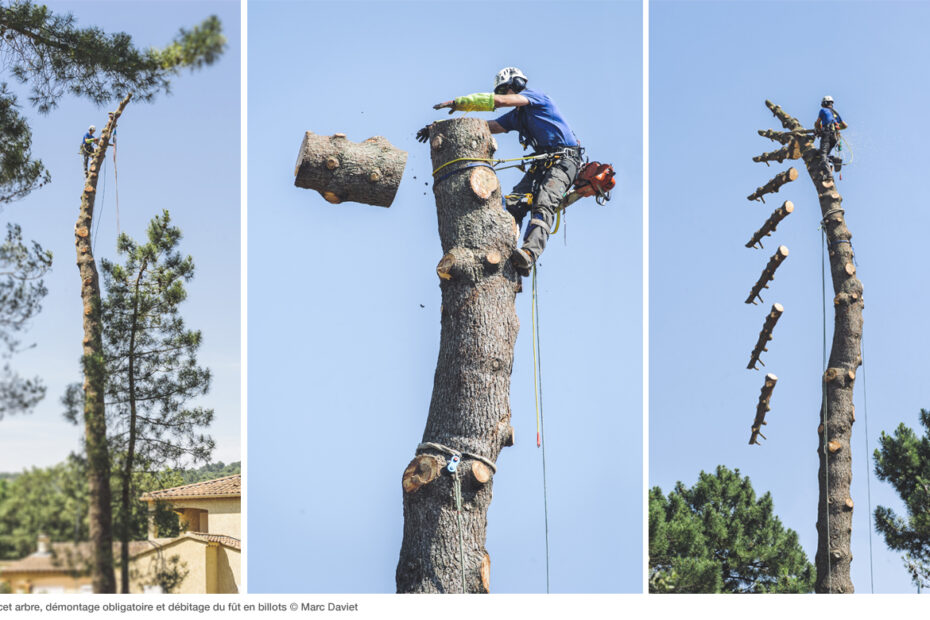
Pollarding is recognised as one of the most extreme forms of tree pruning, used when controlling the size and shape of a tree is essential. This technique involves cutting back a significant portion of the tree’s crown — sometimes up to half — in order to retain the tree while encouraging strong, controlled regrowth.
Commonly used in urban environments, pollarding is particularly effective for street trees such as Lime trees and London Planes, where space limitations and safety concerns require careful management.
What Is Pollarding?
Pollarding is a specialised pruning technique where the upper branches of a tree are removed back to a defined framework. This process promotes the development of new shoots and helps control the overall size of the tree over time.
Unlike standard pruning, pollarding is a long-term management method and should be carried out by trained professionals to ensure the health and structure of the tree are maintained.
Why Pollarding Is Used
Pollarding allows large or fast-growing trees to be retained in locations where their natural size would otherwise cause problems. By reducing the crown, the tree’s height and spread are controlled without the need for complete removal.
Pollarding is commonly used to:
- Manage tree size in restricted spaces
- Reduce risk from overextended branches
- Retain mature trees rather than felling
- Encourage controlled, dense regrowth
- Maintain safety along roads and footpaths
This makes pollarding a valuable option in urban and residential environments.
Cutting to ‘Knuckles’ for Healthy Regrowth
Where possible, branches should be cut back to ‘knuckles’, which are the swollen points where previous pollarding cuts have been made. Cutting to these points encourages the formation of multi-stemmed branch patterns, allowing new shoots to grow in a controlled and structured way.
This technique:
- Promotes strong, healthy regrowth
- Reduces stress on the tree
- Creates a predictable branch structure
- Supports long-term tree management
Over time, the knuckles become a defining feature of a successfully pollarded tree.
Trees Commonly Pollarded
Pollarding is most often applied to tree species that respond well to heavy pruning and repeated cutting cycles.
Commonly pollarded trees include:
- Lime trees
- London Plane trees
- Willows
- Poplars
- Maples
These species are able to regenerate effectively after significant crown reduction when managed correctly.
Benefits of Pollarding
When carried out professionally, pollarding offers several advantages for both the tree and its surroundings.
Key benefits include:
- Significant size control
- Extended lifespan of the tree
- Reduced risk of falling branches
- Improved light penetration
- Maintained visual uniformity in street trees
This is why pollarding is widely used by local authorities and land managers.
Pollarding vs Other Pruning Methods
Pollarding differs from traditional pruning techniques such as crown reduction or thinning. It involves heavier cutting and must be repeated at regular intervals to maintain tree health.
Key differences include:
- More aggressive than crown reduction
- Long-term commitment to repeat pruning
- Best suited for specific tree species
- Requires professional arboricultural knowledge
Improper pollarding or incorrect timing can damage the tree, which is why expert advice is essential.
When Should Pollarding Be Carried Out?
Pollarding is typically carried out during the dormant season, when the tree is less active. This helps reduce stress and supports healthy regrowth in the following growing season.
A consistent maintenance cycle is important to ensure the tree remains stable and structurally sound.
Professional Pollarding Is Essential
Due to its extreme nature, pollarding should only be undertaken by qualified tree surgeons with experience in arboricultural best practices. Incorrect cuts or poor timing can weaken the tree and lead to long-term problems.
Professional pollarding ensures:
- Correct cutting points are used
- Tree health is preserved
- Regrowth is controlled and predictable
- Safety standards are met
Final Thoughts
Pollarding is an effective tree management technique when used correctly. It allows trees to be retained in challenging environments while controlling size and encouraging healthy new growth. Commonly seen on street trees such as Lime trees and London Planes, pollarding plays a vital role in urban tree care.
👉 Contact a professional tree surgeon today to discuss whether pollarding is the right solution for your trees.

