
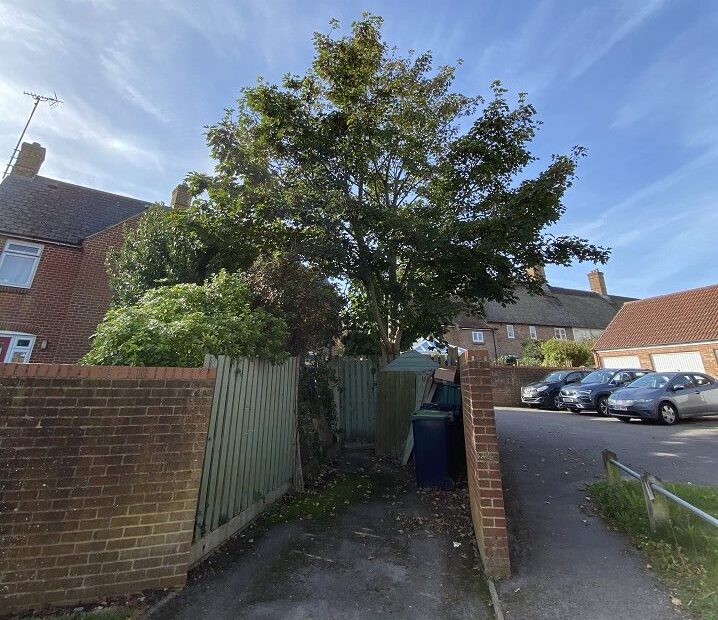
Pollarding is one of the most specialised and extreme forms of tree pruning, commonly used to manage tree size, encourage healthy regrowth, and maintain safety in urban and residential areas. While it may appear dramatic, pollarding is a highly effective tree management technique when carried out correctly by trained professionals.
At your tree care specialists, we provide expert pollarding services to help maintain the health, structure, and appearance of trees across a variety of environments.
What Is Pollarding?
Pollarding is a pruning method that involves cutting back a tree’s branches significantly, often removing up to half of the crown. This process encourages the tree to produce new shoots and maintain a controlled, manageable shape.
Unlike light pruning or trimming, pollarding is a much more intensive technique that must be carried out carefully to avoid damaging the tree.
Once pollarded, a tree will begin to regrow multiple new shoots from the cut points, helping create a dense and structured crown over time.
Why Is Pollarding Used?
Pollarding is typically used when a tree needs to be controlled without being removed entirely. It allows property owners and local authorities to retain mature trees while managing their size and preventing excessive growth.
Common reasons for pollarding include:
- Controlling tree height and spread
- Preventing obstruction near roads or pathways
- Reducing shading over buildings or gardens
- Keeping trees clear of power lines and structures
- Maintaining the appearance of ornamental trees
This method is particularly useful in built-up or urban areas where space is limited.
Encouraging Healthy Regrowth
One of the key benefits of pollarding is that it encourages vigorous new growth. When branches are cut correctly, the tree responds by producing multiple fresh shoots.
To achieve the best results, branches should ideally be cut back to the tree’s natural growth points, often referred to as “knuckles”.
These knuckles help encourage:
- A strong multi-stemmed branch structure
- Controlled and even regrowth
- A balanced crown shape over time
When maintained regularly, pollarded trees can remain healthy and attractive for many years.
Common Trees That Are Pollarded
Certain tree species respond particularly well to pollarding and are commonly managed using this technique.
Examples include:
- Lime trees
- London Plane trees
- Willow trees
- Maple trees
- Sycamore trees
You’ll often see pollarded trees lining streets, parks, and public pathways where controlled growth is essential.
The Importance of Professional Pollarding
Because pollarding is such an extreme form of pruning, it must always be carried out by experienced professionals.
Incorrect pollarding can result in:
- Permanent tree damage
- Poor regrowth patterns
- Disease entering exposed cuts
- Structural weakness over time
At your tree care specialists, we ensure every pollarding job is completed carefully and according to best arboricultural practices.
When Should Pollarding Be Done?
Pollarding is generally carried out during the tree’s dormant season, typically in late autumn or winter.
This timing helps because:
- The tree experiences less stress
- There is reduced sap loss
- Regrowth begins naturally in spring
- Disease risk can be minimised
However, timing may vary depending on the tree species and condition.
Benefits of Regular Pollarding
When maintained properly, pollarding offers several long-term advantages.
Improved Safety
Large or overgrown branches can pose risks to nearby people, vehicles, or structures. Pollarding reduces these hazards.
Better Space Management
Pollarding keeps trees at a manageable size, making them ideal for urban settings.
Extended Tree Lifespan
Regular maintenance can help older trees remain healthy and structurally sound.
Attractive Appearance
Pollarded trees often develop a neat, uniform shape that enhances streets and landscapes.
Is Pollarding Right for Every Tree?
Not every tree is suitable for pollarding. Some species do not respond well to heavy pruning and may suffer long-term damage if pollarded incorrectly.
That is why a professional assessment is important before any work begins. An experienced tree surgeon can determine whether pollarding is the best solution based on:
- Tree species
- Age and condition
- Location
- Desired outcome
Final Thoughts
Pollarding is a highly effective method of tree pruning that helps manage size, encourage healthy regrowth, and maintain safe, attractive trees in both public and private spaces. Although it is one of the most extreme pruning methods, when carried out correctly it can greatly benefit the long-term health and appearance of suitable tree species.
Whether used for practical safety reasons or aesthetic maintenance, pollarding should always be completed by trained professionals to ensure the best possible results.
📞 Contact Us
Contact us today to learn more about our professional pollarding and tree pruning services.

