
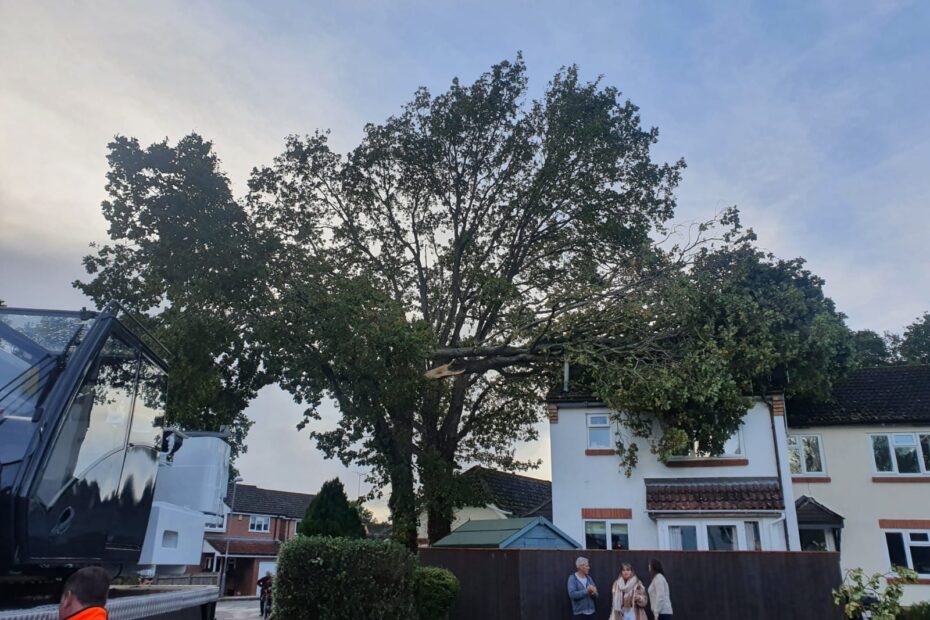
Trees are an essential part of the landscape, providing beauty, shade, and environmental benefits. However, they require regular care to stay healthy and safe. Tree maintenance tasks like tree pruning, crown reduction, and professional dead wooding are vital for tree health, safety, and aesthetics. In this blog, we’ll explore what these terms mean, why they are important, and how to choose a professional tree care service to get the job done right.
What is Tree Pruning?
Tree pruning is the process of removing specific branches or parts of a tree to promote its overall health, shape, and growth. It’s an essential task that should be performed regularly, especially for ornamental and fruit-bearing trees.
Why is Tree Pruning Important?
- Health and Vitality: Regular pruning removes dead or diseased branches, allowing the tree to focus its energy on healthy growth.
- Safety: Overgrown or broken branches can pose a risk to your home or property, especially during storms. Pruning ensures that dangerous branches are removed.
- Aesthetic Appeal: Pruning can improve the shape and structure of the tree, giving it a more attractive, balanced appearance.
- Enhanced Growth: By removing weaker branches, pruning encourages the tree to produce stronger, healthier new growth.
Understanding Crown Reduction
Crown reduction is a tree maintenance technique that involves selectively removing the outer branches of a tree’s canopy (the crown). This method reduces the overall size of the tree while maintaining its shape and natural appearance.
Why Perform Crown Reduction?
- Tree Safety: If a tree is getting too large for its surroundings, crown reduction helps prevent damage to structures, power lines, or other trees.
- Encouraging Healthier Growth: Crown reduction allows sunlight and air to reach more parts of the tree, helping improve its overall health.
- Aesthetic Control: This process can be used to shape the tree to a desired size and appearance, making it more suited to the landscape.
Benefits of Crown Reduction
- Controlled Growth: Crown reduction can help control the size of trees that are growing too large for the space they occupy.
- Minimised Risk: By trimming the canopy, crown reduction helps reduce the risk of branches breaking or falling in storms.
- Improved Structure: A well-executed crown reduction enhances the tree’s structural integrity by removing weak or heavy limbs that could cause instability.
Professional Dead Wooding: What Is It?
Professional dead wooding refers to the removal of dead, dying, or diseased wood from a tree. It’s one of the most crucial tree maintenance tasks, as it helps improve the tree’s health and reduces the risk of falling branches.
Why Is Dead Wooding Important?
- Safety: Dead or dying branches can pose a hazard, especially in windy or stormy conditions. Removing them reduces the risk of accidents or property damage.
- Tree Health: Dead wood can attract pests and diseases that may spread to other parts of the tree. Removing it promotes a healthier environment for the living parts of the tree.
- Aesthetics: Removing dead wood improves the overall appearance of the tree, making it look healthier and more vibrant.
- Encouraging Growth: By removing the dead sections, the tree can focus its energy on producing new, healthy growth.
Key Benefits of Professional Dead Wooding
- Preventing Decay: Dead wood can lead to fungal growth, which accelerates the decay process. Dead wooding ensures the tree remains healthy and free from such threats.
- Enhancing Safety: The process reduces the chances of dead branches falling unexpectedly, which can be particularly dangerous near homes, pathways, or playgrounds.
- Preserving Tree Health: When dead branches are left unchecked, they can cause long-term damage to the tree’s health. Removing them helps keep the tree alive and thriving.
How Often Should You Prune Trees, Perform Crown Reduction, and Dead Wooding?
The frequency of tree pruning, crown reduction, and dead wooding depends on various factors such as the type of tree, its age, and its location. Here’s a guideline:
- Tree Pruning: Most trees should be pruned annually or bi-annually, especially if they are fruit-bearing or ornamental trees.
- Crown Reduction: This process is typically performed when the tree starts outgrowing its space. It’s recommended every few years, depending on the growth rate of the tree.
- Dead Wooding: Dead wooding should be done at least once a year, but if you notice dead or diseased branches, they should be removed immediately to prevent further damage.
How to Choose a Professional Tree Care Service
Choosing a professional tree care service is crucial to ensure your tree maintenance tasks are performed safely and effectively. Here’s how to find the right tree care company for tree pruning, crown reduction, and dead wooding:
- Certification and Experience: Look for certified arborists with experience in tree care. This ensures they understand tree biology and can perform these tasks safely and effectively.
- Insurance: Ensure the company has the necessary insurance to cover any potential accidents or damage during the job.
- Reputation: Check reviews and ask for references. A reputable company should have a history of satisfied customers and a portfolio of successful tree maintenance projects.
- Cost Transparency: Get a detailed quote before agreeing to the job. Make sure you understand the pricing for each service and any additional costs that may arise.
What to Expect From a Professional Tree Care Service?
- Initial Consultation: The service will assess your trees, determine the best course of action for pruning, crown reduction, or dead wooding, and provide a detailed plan.
- Expert Tree Care: The team will have the necessary tools and expertise to safely remove branches, reduce the tree’s crown, and eliminate dead wood.
- Follow-up: A reputable company will offer advice on maintaining the health of your trees after the job is done.
Conclusion
Proper tree pruning, crown reduction, and professional dead wooding are essential tasks for maintaining the health, safety, and aesthetic appeal of your trees. By understanding these services, you can ensure your trees stay healthy, safe, and beautiful for years to come. Whether you’re looking to maintain a mature tree or simply want to enhance the curb appeal of your property, these essential tree care practices are vital.
Hiring a professional tree care service is the best way to ensure these tasks are done correctly, so always choose certified, experienced arborists to carry out the work.

